Ryan Flint, Lifelong Fitness Certified Personal Trainer and Sports Nutritionist
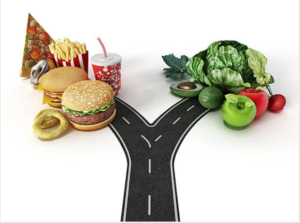
I know there seems to be an on-going debate out there these days with health professionals, nutritionists, and the media giving different opinions about whether organic food is worth the slightly higher prices.
But there are a few VERY important aspects of organic food that I rarely see anybody out there talking about.
First, as you know, the main aspect that most people talk about in the organic vs conventional food debate is simply whether the food in question was grown with pesticides, herbicides, or chemical fertilizers, and whether that food contains pesticide/herbicide residues on the actual food when you eat it.
And that IS important… I mean, I know I don’t want to be ingesting pesticide residues that are potentially carginogenic or even estrogenic and can possibly increase belly fat (due to the xenoestrogens)… and I’m sure you don’t either!
But there’s another another MAJOR aspect of organic vs conventional food that most people are overlooking, and that is:
The impacts of conventional farm chemicals on the SOIL, and how that affects the nutritional composition (quantities of vitamins, minerals, and antioxidants in the food)
The harsh chemical fertilizers, pesticides, and herbicides used in conventional farming can destroy a large part of the microbial activity in the soils (bacteria and fungi) that help to make soil minerals more available to the plants roots. Conventional farming degrades this aspect of the soil which results in lower micro-nutrient levels in the plants that you eat.
In organic farming, these harsh chemicals are not used, and the soil is healthier and more biologically active (fungi and bacteria aid the plant roots with uptake of minerals and nutrients), and the plants roots can therefore obtain more nutrition which produces foods with higher micro-nutrient levels.
Also, it’s quite possible that the heavy use of chemical fertilizers, which make crops grow much faster than normal, leads to a shallower root system, that inherently absorbs less micro-nutrients from the soil column compared to organically raised plants that are forced to have deeper, more extensive root systems to obtain all of the nutrients the plant needs.
I think it’s quite easy to see why organic foods can have superior nutrition levels and more vitamins, minerals, and antioxidants than conventional foods.
But beware of conflicting “reports” out there on this topic. Although there is much data on the superior nutrition levels of organic foods, you may also find some data that contradicts these findings in particular studies.
The reason that this happens is that science isn’t perfect, and someone may measure the nutrition levels of a certain type of conventional tomato, for example, compared against a different type of organic tomato, grown in a vastly different geographic area in vastly different soils and climate. There are dozens, or even hundreds of complications with these types of studies, which is why you can’t always make direct comparisons.
However, I think with the evidence we talked about in terms of soil quality, nutrient uptake, and also just the pure fact that we don’t want carcinogenic and estrogenic chemicals in our food, it makes it worth it to try to buy organic as much as possible.
Sometimes Local may be MORE important than “Organic”
Here’s another vitally important thing to keep in mind…
If your choices at the grocery store for the organic food come from half way around the globe (such as organic produce from Chile or New Zealand when you live in North America), then you might want to consider favoring local produce even if it’s not labeled “organic”.
For one reason, many local farm stands may actually have organic produce but simply aren’t legally allowed to label their food “organic” if they haven’t acquired whatever necessary licenses they need for that. If you ask the farmers, many times you may find out that the local farm produce is in fact organic, or at least close to organic (meaning they use very minimal chemicals compared to a large industrial farm).
Also, local produce that is picked at it’s peak of ripeness, and on your plate in a matter of hours or days, will usually have much higher nutrition levels compared to “organic” produce that was picked halfway around the world well before it was ripe and traveled weeks to make it to your grocery store.
The one caveat to this is frozen produce… sometimes fruits and veggies are picked at their peak of ripeness and frozen rather quickly, even if they were picked halfway around the world. In this case, organic frozen fruits and vegetables can sometimes be just as nutritious as local produce (although they may carry a bigger petroleum burden than local produce)
So, if I were to give my overall recommendations to save yourself from the inherent health dangers of pesticides and herbicides, while also eating food that contains the highest levels of vitamins, minerals, and antioxidants, it is this:
1. choose organic over conventional most of the time, when it’s available
2. choose local foods over organic if the organic food came from very long distances away (although frozen organic fruits and vegetables can be just as nutritious as local)
3. Don’t forget that choosing organic also helps to protect the environment from chemical fertilizer and pesticide pollution that can harm ecosystems and your own drinking water supply.
4. Don’t fall for “organic junk foods” — I’ve been seeing this trend lately — Just because crackers, cookies, cakes, and corn chips may be labeled “organic”, doesn’t mean they are healthy… junk food is still junk food! And these are still overly processed foods that can make you fat!
Remember that forcing change for responsible agriculture starts with your choices as a consumer. The more we demand responsibly grown and raised foods by choosing those foods in our shopping carts, the more that producers and suppliers will respond to that demand.
Remember that there is a difference between a snack and a meal. A meal is fully BALANCED meaning that it contains all three macro-nutrient ratio’s (Carbs, protein, fat) in the correct ratio. For example putting together a snack would mean nothing more than slamming a few crackers and calling it good, whereas if you want to make it a meal you would have to put some protein in there as well such as a protein shake, yogurt, cottage cheese…you get the point. You may be asking yourself, “well what about the fat?” Remember a simple little saying, “the fat will follow”. What this means is that if you are actively trying to get a low glycemic carbohydrate and a quality low-fat protein, then you DON’T have to worry about adding the fat in…it will naturally occur in about a 20% ratio if you are choosing healthy choices.
Below are some simple suggestions to spark your mind. Following the food list, you will find suggestions for quick, balanced, on the run suggestions.
Quick-On-The-Go-Meals
The only thing that you may need with these meals is a mini cooler with ice or a micro-wave oven. These meals are designed to be quick and easy and worker friendly.
1- Sandwiches: Just remember to limit the condiments, dressing and cheese. These items add fat calories galore! Egg salad sandwiches work great as well! Just remember to limit the egg yolks in the mixture and you should be great!
2-Whole Grain pasta’s: You may be saying “what, pasta? That is not quick!” Hear me out…This can actually be one of the quickest ways to have a pre-made meal. All you do if make a big serving of whole grain pasta that will last for 2-4 servings and pre-dress it with a healthy sauce (low sugar/fat) and then you have a quick meal ready to be eating at any time. The only drawback to this is that you may need microwave to warm it up.
3-Protein Bars balanced with fiber: It is not enough to just have a protein bar and call it good. You need to balance that bar with adequate fiber. So be sure to take along a baggie of pre-cut veggies and fruit to go along with your bar and you will be set for the next three hours.
4-RTD’s (Ready-To-Drink Meals): These have become popular in the last decade due to their extreme convenience. To give you an example of what I am talking about just think of EAS’s Myo-Plex Shakes. They are pre-packaged shakes that need to be refrigerated and that is just about it. Just as the protein bars you need to balance this meal with a serving of veggies and/or a serving of fruit.
5-Left-Overs: This is something that can make your life a whole lot more enjoyable! If you have more of a formal dinner with healthy recipes (such as in this book) you can intentionally make more servings and package up the rest for later…all you need is a microwave!
6-Pre-made protein shakes: This is an economical choice because all you have to do is buy a big 5lb jug of Whey Protein and then make 5-6 pre-made shakes and keep them in your fridge.
7-Whole Grain Crackers and a Protein source: Triscuits, wheat thins, or any other low-sugar/fat cracker combined with a protein source such as tuna fish, yogurt, cottage cheese, lean deli-meat, or any other protein source such as a pre-made shake.
8-Salads: If you can grab an extra ten minutes the night before and prepare a salad, they make great convienance meals. You may need a fridge or you can keep it in your cooler if you are on the road. Just be sure to spice up your salad with adequate protein such as shredded chicken or turkey to keep the protein high.
9-Whole Grain Cereals: Yes you can have breakfast for your meals if you need to! Just be sure that it is whole grain and low-sugar/fat…sound familiar?
Well there you have it my friends! Some of the fastest meals available for all of you busy people out there! Remember life is good and I will see you next week!
Ryan Flint, Lifelong Fitness Certified Personal Trainer and Sports Nutritionist
To many people, “fat” is one of those three-letter words that instills fear of heart disease, obesity, and a lifetime of bad hair days (I’m kidding about that last one… sort of). But one type of fat that has joined the popular crowd of nutrients such as amino acids and dietary fiber, is essential fatty acids.
Essential fatty acids (EFAs), have steadily become the new buzz word in nutrition for several important reasons. The biggest reason is it’s prefix, “essential”. Yes, fats in this category are something your body can not make, but need for survival and to prevent deficiencies. This is in contrast to many other nutrients that your body can actually synthesize, like carbohydrates and some proteins. As such, EFAs must be obtained by eating certain foods and taking dietary supplements regularly. You can think of them like water or calories; without either of these, your body will not function properly and will eventually suffer ill fates.
But what is it about EFAs that makes them so, well, essential? And, what happens without them? Finally, how can we get them in our diets and what are their benefits? Continue reading to learn everything you need to know about this special class of nutrients.
All About Essential Fatty Acids
EFAs fall within the category of dietary fat. In foods, fat is actually a structure made up of several different types of fatty acids attached to a compound called glycerol. This whole unit together is known as a triglyceride, pictured below:
A triglyceride basically looks like the capital letter “E”, and each arm of the “E” is a fatty acid. These fatty acid “arms” are chains of carbon molecules linked together in varying lengths, and with different amount of attachments (or bonds) between each carbon. Chains with only single attachments are known as saturated fatty acids (SFAs), those with one double attachment are known as monounsaturated fatty acids (MUFAs), and those with two to six double attachments are called polyunsaturated fatty acids (PUFAs).
EFAs are a type of PUFA; they have one or more double bonds, and they‘re further categorized into one of two classes: Omega-6 or Omega-3. The omega-6s are named because their first double bond is six carbons from one end, where omega-3s have their first double attachment three carbons away.
The essentiality of two of these omega fats, linoleic acid (LA, an omega-6), and alpha-linolenic acid (ALA, an omega-3) is because humans, and all vertebrates for that matter, do not have the enzymes to make them from other fats in the diet. Plants, however, do have these special enzymes and are one of the main dietary sources for us. Humans can also get them from eating animals that have consumed these plants and have now accumulated them in their body fat stores.
As you can see from the table above, there are many ways to get omega-6 EFAs into your diet. However, obtaining omega-3s is a bit more difficult. To make matters worse, consuming too few omega-3s compared to omega-6s has been associated with higher rates of inflammatory diseases like heart disease, diabetes, arthritis , cancer and inflammatory bowel disease. It has been suggested by some experts that humans should ideally consume no more than a 6:1 ratio of omega-6 to omega-3 fatty acids, with lower levels recommended for certain conditions.
Finding The Right Omega Balance
Starting in the 1900s, the North American dietary fat consumption drastically changed. With new industrial processes and a greater demand for food to feed a rapidly growing population, we shifted from eating fats in their natural state to those in packages and pre-prepared forms. We also became highly scared of saturated fats, like those in butter and tropical oils, and so turned to margarines and refined vegetable oils.
Fatty fish also became less popular because we thought fat was deadly, so we choose less-nutritious white fishes and low-fat versions of poultry and meat (and, of course, we had to cover them in breading and high-sugar sauces). Finally, because we were eating so much beef and chicken, these animals had to fed grain-based diets instead of naturally grazing on grass – there was not just enough pasture to keep up.
All of these food changes has lead our current population to have a diet heavily-based on omega-6 fats, with very few omega-3s. The margarines, fish, beef, pork and poultry we eat now are all dominant in omega-6 linoleic acid (LA). In turn our dietary ratio of omega-6 to 3s is much different than our healthier ancestors: it’s been estimated that we currently eat an omega-6 to omega-3 ratio of 15-20:1, compared to 1:1 many years ago (when heart disease was not the #1 killer at such young ages).
During evolution, omega-3 fatty acids were found in most all foods consumed: meat, wild plants, eggs, fish, nuts and berries. But now the picture has changed and our health has suffered. True, other factors come into play, like lack of physical activity and excessive sugar intake, but dietary fat imbalance plays an important role.
The problem with excessive omega-6 fats is that in the body are many:
• Omega-6 LA competes with the normal metabolism of omega-3 ALA to EPA and DHA, so that much less can be made in the body through the normal omega-3 pathway.
• Omega-6s drastically reduce incorporation of omega-3 EPA and DHA into cell membranes when they are consumed in the diet (normally, EPA and DHA would be placed into membranes).
• Omega-6 fats in the body are highly susceptible to free-radical attack and produce compounds such as oxidized LDL cholesterol which contribute to atherosclerosis.
• When consumed as part of a normal diet, omega-6 ALA is converted to pro-inflammatory products (prostaglandins, thromboxanes, leukotrienes) which contribute to plaque formation on arteries, allergic responses, increased blood pressure, and tumor growth. Omega-3s have the opposite effect:
Basically, many current common diseases can be linked back to excess omega-6s in our food supply, which leads to chronic inflammation. The solution then is to reduce our intake of these fats and increase our intake of omega-3s. But remember: a balance is important and some omega-6s are still essential.
What Is The Ideal Omega-6 To Omega-3 Ratio?
In today’s society, it’s practically impossible to get a 1:1 ratio of omega-6s to 3s as we did in the past. Also, EFA experts do not recommend we strive for this since we have more of a requirement for omega-6s than we do 3s, and not all omega-6s are bad. Thus, for disease prevention and optimal body processes, a 6:1 ratio, or somewhat less, is ideal. Therefore, in a typical diet containing about 60 grams of total fat and 20 grams of PUFA, you’d aim for at least 4 grams of omega-3s, which you can easily get from food and supplements.
Making Omega-3 Fatty Acids
When people consume LA or ALA these fatty acids can be converted to other important omega-6 and omega-3s in the body, but this doesn’t always occur effectively. Omega-6 LA is often easily transformed to omega-6s known as gamma-linoleic acid (GLA) and arachidonic acid (AA). GLA is considered a good fat to have in our bodies, but AA is mostly not – it depends on the situation you’re looking at though.
The most important conversion process for our health and well-being is the creation of special omega-3 fats known as EPA (eicosapentanoic acid) and DHA (docosahexanoic acid) from ALA. High levels of EPA and DHA in our cells is very beneficial for lowering our risk of diseases, preventing cancer, avoiding depression and correcting attention deficit disorders. Also, DHA is very important for visual acuity and development of the brain. Unfortunately, for most humans, the conversion of ALA to EPA and DHA is not an efficient process. It has been estimated that only 5-10% of ALA is converted to EPA and 2-5% is converted to DHA; considering how little ALA is in the diet to begin with, this is barely anything at all. Part of the reason minimal ALA is converted to EPA and DHA is that the body prefers to burn it as a fuel – studies with humans have shown that as much as 34% ALA is breathed off as CO2 (via metabolism). Thus, for optimal intake of EPA and DHA we should aim to eat these food sources regularly instead on relying on our body to make them for us:
Significant Sources of EPA and DHA
• Cold water fatty fish (salmon, trout, sardine, mackerel, herring)
• Shellfish (shrimp, mussels)
• Marine algae
• Krill
And technically, since EPA and DHA can be made in the body from ALA, they’re not essential. But since we are very limited in what we are able to synthesize and these fats are an important part of healthy cell membrane functioning, they are crucial for everyone.
How Do We Know EFAs Are So Essential?
If either LA or ALA are missing in the diet because a person chooses to eat a fat-free diet or they select fats that are low in one or the other, the health of body cells deteriorates, and deficiency symptoms develop. Historically, rats that were fed fat-free diets failed to reproduce, grow normally, or remain healthy. At first, these issues were thought to be due to Vitamin E deficiency (a fat-soluble vitamin), but where then discovered to be due to lack of omega-6 fat. In humans, signs of omega-6 LA deficiency include dermatitis, poor wound healing, loss of hair, and infertility. Thankfully, all of these outcomes are reversible.
No distinct disease occurs in humans when omega-3 ALA is missing in the diet, but, as mentioned, these fatty acids are required for proper vision and central nervous system development and functioning. They also compete with pro-inflammatory products of omega-6 mediators in the body and produce an anti-inflammatory state in the body. Finally, people who consume plentiful omega-3s from seafood and flax have been observed to have reductions in body fat and increases in the ability to use carbohydrate as a fuel (improved insulin sensitivity); we’ll explore more of these benefits in Part II.
Overall, omega-3s are fats that everyone should include in their diets right now; they’re one fat you shouldn’t be afraid of, but rather, should seek out for optimal health.
Written by Ryan Flint, NSCA-CPT, Sports Nutritionist
I’ve read about this very interesting Harvard University study about exercise multiple times in the past, but I was just recently reminded about this study again while reading the fascinating book called 59 Seconds by Richard Wiseman.
Pay attention, because this actually shows a pretty powerful trick that you can use to literally make ANY workout or exercise program a LOT more effective and results producing.
According to the book 59 Seconds, here’s how this study was carried out:
Researchers at Harvard University studied over 80 hotel room cleaning attendants from 7 different hotels. The hotel room attendants naturally received a lot of exercise from their daily jobs, which included cleaning an average of 15 rooms per day at about 25 minutes per room. This work involves a good deal of exercise in carrying things, scrubbing, lifting objects, vacuuming, and so on.
The researchers knew the hotel maids led an active lifestyle from their work, but also questioned whether most of the maids may not realize that their work was actually good for their health. The researchers set out to study the effects on the hotel attendants of making them very aware of how beneficial the exercise they got while working was for their health, and to see if this increased the results that they actually received from the exercise.
Basically, the question was… Would telling them that their work was great exercise improve their health, lower their blood pressure, and help them to lose weight compared to the hotel attendants that didn’t realize their work was in fact “exercise”?
The hotel attendants were split into 2 groups:
1. This group was informed about the benefits of exercise and told how many calories they were burning while doing their hotel cleaning work each day. They were specifically told how many calories activities such as changing sheets, vacuuming, and scrubbing bathrooms were burning each hour.
The researchers also wanted this information to stick in their heads daily, so they gave the attendants a handout showing the quantities of calories they were burning doing each activity of their jobs. They were also shown a poster daily that reinforced how many calories they were burning.
2. The control group of hotel cleaning attendants was simply informed of the benefits of exercise, but we’re NOT told how many calories they were burning doing their work, and also were NOT told that their work actually constituted a good form of exercise.
The researchers studied the existing lifestyles of all of the participants in both groups as well as giving them various health tests, including weigh-ins.
The study was conducted for 4 weeks. The researchers made sure that none of the participants had actually changed their exercise habits, smoking, or eating habits outside of work. This assured that there was no external lifestyle factor that could have accounted for the results of the study.
In addition, the hotel managers assured that the workloads of both groups stayed the same throughout the entire experiment.
Here are the VERY interesting results:
It turned out that the group of hotel cleaning attendants that was informed daily about the calorie-burning effects of their normal work routines ended up losing a significant amount of weight, lowered their body mass index and waist-to-hip ratio, and decreased their blood pressure.
The control group of hotel attendants that was not told about the calories they burned while doing their work showed NONE of these improvements.
Wow… very interesting huh!
Remember that each of these groups received the SAME amount of exercise and did not alter their lifestyle, eating habits, drinking habits, smoking, or anything else. The only thing that was different between the 2 groups was simply that the one group was constantly being reminded of how beneficial the exercise during their work was for their health and how many calories they were burning, and therefore their minds were busy believing in the benefits of it.
This actually doesn’t surprise me… this is classic placebo effect at work here, and reinforces how powerful our brains are in relation to the results we get from exercise, food, supplements, etc.
How to use this info to burn more fat in your workouts, build more lean muscle, and improve your health more from exercise and nutrition
There’s a good lesson in this study. If you strongly believe in your mind that the workouts that you are doing are drastically improving your body, your results will increase dramatically from those workouts.
The trick I’ve used over the years is to really “get mental” during your workouts and believe strongly that the exercise you are doing is transforming your body into a lean chiseled machine. So, if you want to burn more fat, not only do you need to work out intensely (for your individual capabilities), but you also need to mentally visualize the results you’re getting, the body fat you are burning, and really strongly believe in how powerful the workout routine that you are doing really is for your body.
Along the same lines, if your goal is to build more muscle, then you really need to strongly believe in your mind at how powerfully your workouts are helping you to build muscle.
And this can be applied to your food intake too!
Don’t underestimate how powerful your mind really is… If you are eating healthy foods such as those detailed in our client binders and nutritional guide, make sure that you are also actively thinking in your mind about how those foods are dramatically helping your body, making you stronger, making you leaner, improving your energy and health, and so on.
Don’t ignore this… this will drastically improve your results if you actively think about how truly healthy the foods you are eating every day are and how they are changing your body. This is assuming that you actually are eating truly healthy foods every day.
Another benefit of this “mental programming” is that it trains you to actually want to avoid junk foods, because you want to be able to think about how everything you eat is improving your body instead.
So there you go… an interesting study that shows how you can legitimately increase your results from your exercise and nutrition by just actively thinking about the benefits of both every day!
Principle #6: Remember that “one size exercise does NOT fit all”.
Remember the last time you ordered that Richard Simmons video or more recently that P90X workout and you got great results for around that time frame (60-90 days) and then things seemed to taper off? The reason for this is the mode of exercise that you are participating in. To illustrate what I am talking about let me tell you about the nature and characteristics of human skeletal muscle. Human muscle comes in a variety of fiber types. Type I Fibers or “red muscle fiber” is a muscle fiber that is characterized by its ability to endure. It is the muscle fiber that is highly “aerobic” in nature, meaning that it can process oxygen at a faster and more efficient rate than the other Type II fibers that I will describe shortly. The downside to this type of muscle fiber is that it is not very strong. Those who possess a high degree of this type of fiber are typically more slender and tend to be weaker in strength. Type II fibers are generally classified into what is called Type II A, B, or C muscle fibers. These muscle fibers are much stronger than the type I fibers but lack the endurance capacity of the type I fiber. Those that posses a high amount of these fibers tend to be very strong people but lack sub maximal muscle endurance.
So when you finish your workout video, you have predominantly exercised the type I fibers and by and large neglected the type II muscle fibers. The key is to “Periodize” your workouts so that you hit ALL of the muscle fibers and thereby train the muscle holistically rather than in “fiber isolation” that you will find in about 95% of all commercial/fad workouts.
Principle #7: Remember to PERIODIZE!
This is where you plan your workouts yearly…yes yearly. When one of our clients comes into Lifelong Fitness the first thing that we will do is get them on a year plan that is periodized. What in the world am I talking about? This is where you plan workouts around intensity/volume levels. For example if you are just starting you would want to start in a 10-15 rep range (resistance training) and stay in that range for 4-6 weeks to let the body settle into its newly imposed demands. After that period (hence the term periodization) you would do well in a rep range of 8-12 to induce what is known as muscle hypertrophy. You would then proceed to go through 3-5 more cycles to make sure that you are hitting all of the available muscle fibers. This is where a knowledgeable and formally educated Personal Trainer can make a world of difference for you as they will educate you as to how you can properly design a periodized training program.
Principle #8: Remember tempo!
This is one of the most overlooked principles there is. The tempo of your lifting has a very specific effect on the adaptation of the muscle fibers. When first beginning you should favor a moderate tempo for your lifting. When you have a year or so of training under your belt you should favor a variety of training tempo’s ranging from slow to ballistic and explosive. This will help to challenge and develop the whole scope of your available muscle fibers (principle #6). I could write an entire blog on this subject so stay tuned in the future…I just might!
Principle #9: Intensity and Volume Increases
Intensity as it pertains to weight training is based on percentage of 1 rep max (the maximum amount of weight that you can lift with any exercise). So if you are lifting around 12 maximal reps you are lifting approximately 65-70% of your 1RM. Typically you will want to range around 65%to 95% of your 1RM depending on your physical ability and your training experience. When increasing the volume (sets x reps x weight lifted for your entire workout) you want to make sure that you never go over a ten % training volume in a two week period unless you are an experienced competive or elite athlete. So take the time for this simple exercise and reap the rewards…your body will thank you and your results will skyrocket.
Principle #10: Rest!
More is not always better! I know that this one is hard to believe but please listen up! Once engaged in resistance training human muscle accumulates what is known as cumulative muscle trauma. This is part of the “tear it down and build it up” process. This is healthy under normal conditions because this is how you get stronger, but if you continue to train harder and harder without any rest you are in for overtraining syndrome which calls for a whole host of physical break downs as it pertains to your performance and physical well being.
So take a week off after about 12 weeks of consistent weight training. If you haven’t tried this yet go ahead and give it a try and see what happens…you will love it.
Well there you have it my friends…smarter not harder! Remember life is good!
Wow! It is already Summer 2010 and man are we feeling it! I don’t think too many of us object to the warmer weather! Summer is a time that reminds us that life is to be lived ACTIVELY! During the winter it is much easier to get into an “office” or “house” routine that limits our physical activity. Unfortunately some of us get into “vacation” mode during the summer with is great…but it sometimes transcends into our fitness and nutritional way of life as well. “I will start back on my routine when school starts” is a common theme I have heard countless times. I must be honest, when I say this is frustrating to say the least. In keeping with our mission to help change your lifestyle I want to devote this blog to that purpose.
Step #1: Re-Focus your Lens
Most of us view fitness and nutrition as a vehicle to deliver us to a short term destination. What I mean by this is, “I have a Lake Powell trip coming up in two months”, or my personal favorite, “I have a class reunion coming up in three months and I need to drop 40 lbs.” It’s as though we are only concerned about our health for a specific period of time and for superficial reasons. The perspective that is essential to have is that of a long term lifestyle change. You have to start to think in terms of permanency. Try this today. Think of what you want to achieve and then imagine maintaining that for the rest of your life…that is exactly what you are going to do. No more diets, no more funky workout programs that only last for a predetermined amount of time, just a lifestyle where working out is the norms and healthy eating
Step #2: Adjust your attitude
There are many activities in our lives that we do not initially enjoy but learn to love later. Entering into a healthy lifestyle is very similar. At first you will find the changes hard and challenging but eventually your daily activities will become habit and you will find yourself enjoying your newfound lifestyle. It helps to look upon your new life as rewarding and enjoyable rather than daunting and repressing. Attitude goes further than most people realize and this step should not be overlooked.
Step #3: Give your new lifestyle a chance (Be consistent and persistent)
I have seen countless people get very excited and motivated to start an exercise program but then fizzle out later when the going gets tough. “I get too sore”, “I don’t have the time”, “I don’t know what I am doing” are some of the common excuses employed preceeding the drop-out of that persons exercise and nutritional routine. The problem stems from the fact that we need a little will power to change our lifestyle but our current “convienant based lifestyle” mentality kicks in to sabatoge our efforts. Do not ever give up! Yes it will be a little hard but worth it! The only way to change your lifestyle is to give it an adequate chance to change…something very few of us ever achieve.
Step#4: Schedule your workouts and meals
This is where you design your battle plan. Take a few moments at the start of every week and schedule your meals and your workouts. This is where you are making your lifestyle a priority. This is a very important step because it forces you to make time for yourself a priority. The #1 reason that people fail at fitness is because of “lack of time”. In my opionion this is an absolute load of nonsense because we ALL have the time it is the act of making the time. This step is worth the 15-20 minutes invested into it.
Step #5: Stop being LAZY!
Yes you heard me right! Laziness has become an American Pastime as it relates to healthy nutrition and fitness. If you don’t believe me checkout the latest statistics concerning obesity in America. This means getting our butts off the couch on a consistent basis and following through with your plans. If you find yourself offended by this suggestion then please refer to step #2 again and apply it again.
Step #6: Form a new habit!
Your habits are a sub-conscience function. Think about it…do you think of your daily routines? Do you think about whether to take a shower or brush your teeth? I hope you are answering no at this point J. My point here is that you need to be so habitual about exercise and nutrition that it becomes second nature to you on a sub-conscience level. It is at this point that you will not have to worry about regression or relapse. The only way to get there is to continue on your healthy lifestyle path day after day, month after month, year after year.
Step #7: Maintain your lifestyle and ENJOY it!
Unfortunately those who have truly obtained a Phase IV lifestyle (a good healthy lifestyle) are the minority in America now. More than half of the American population is either overweight or obese. I congratulate all of you that have successfully changed your lifestyle and urge you to enjoy it! Hold your head high and be of good cheer because now all you have to do is maintain it. I would also encourage you to spread the word! Fitness is infectious and you will find yourself influencing many people to change their lives for the better.
Well there you have it my friends. I realize that many of you are at different steps in your lives and I would encourage you to apply these principles as appropriate. I would encourage you to always remember one thing…life is good!
One of the top reasons that clients fail to make a permanent lifestyle change is that they fail to prepare. What do I mean by that? Well, think for a moment about your fast paced lilfestyle. You barely have enough time to eat a protein bar as it is! The key here is to re-prioritize and make a DAILY habit of preparing your meals. If you can accomplish this simple task it will drastically reduce impulse food buys such as fast foods, highly processed (convienant) foods, and other fast but unhealthy foods that seem to invade our lives.
Pre-Preparation
Step #1: Get to the grocery store!
You can’t prepare a darn thing without first having the right foods in place. In this book you are going to find multiple recipes and meal plans that call for healthy foods so get started by getting to the store!
Steps #2: Plan a daily time for food preparation.
This means taking at least 10 minutes and allotting it towards making your meals for the next day.
Step #3: Taylor your approach to your situation.
If you are a business man or woman your needs will vary drastically from that of a stay-at-home mom. If you are the later you will more likely have the option of preparing more complete mini-meals such as a pasta and chicken dish. If you are the former you will be lucky to get in a protein drink and some whole grain crackers…but in either case you need to be prepared. These mini meals need not be big or time consuming…actually they should be quite the opposite. Balanced, small and quick should be your motto if you are in a hurry. If not take some more time to make a balanced mini meal that you can sit down and enjoy. Remember you are never too busy to fuel the machine that is allowing you to work in the first place.
Step #4: Schedule your Eating Schedule!
This is where you actually sit down and write out the times you are going to eat. Yes I am serious. Take out your planner, I-Phone, or whatever and schedule in the times that you plan on eating. Remember that you should be eating every two to three hours. This little activity is very vital from the onset of your program because it will teach you to eat frequently. Frequent eating is crucial to a high performing metabolism.
Next week I will go over the actual steps that you should take in preparing a meal. Please stay tuned and remember that life is good!
This is from the eat clean website (www.eatcleanmag.com). Please check them out for further recipes and meal planning…they are great!
| SKILLET GINGER CHICKEN WITH CILANTRO AND LIME |
| CALORIES: 408 FAT: 8 g CARBS: 49 g PROTEIN: 35 g SUGARS: 3 g |
| NUTRIENTS PER 1 ½ CUP SERVING: |
| Serves 4 |
| INGREDIENTS: |
|
| INSTRUCTIONS: |
|
| NUTRITIONAL BONUS: |
| Chicken is an essential source of vitamin B3 (aka niacin), which is necessary for the body to convert protein, fats and carbs into usable energy. You should have no trouble converting the macronutrients in Miller’s skillet dish – one serving offers over 66 percent of your daily need of the B vitamin. |
Last week we went over the first 5 steps in becoming excuse free in your pursuit of Lifestyle Change. This week we continue. If you haven’t read the first installment, I would encourage you to do so as a good preface to what you will read here.
Step #6: Remember it is NOT as hard as everybody tells you!
We have been cultured since our youth to believe that “change is hard”. I would like to challenge this conventional (false) wisdom. I want to present this to you by first having you sit down in a quiet place and have you visualize EXACTELY what your ideal lifestyle looks like. Be very specific. How do you feel? What do you look like, what is your energy level like, ECT? Now I want you to shift back into your current state and examine the exact same things. Now contrast the two lifestyles and you tell me which one is harder to live?
The point is that we think about how hard it is to change…and yes change can be hard but it is NOT any harder than the grief our present lifestyle presents to us on a daily basis. Obesity, low energy from lack of exercise, poor nutrition and a host of other personal habits MAKES OUR LIVES HARDER THAN IT NEEDS TO BE! So to rectify this I propose that you take a big breath, be confident and bold as you change your habits
Step #7: ACTION
We all know that sitting around and thinking about our goals, our plan of action and roadmap will do nothing to promote lifestyle change. You must get off your butt and start moving as planned. Remember your plan of attack was step # 4 from last week, now it is time to actually execute it. You may be uncomfortable or not confident in doing it as first, but don’t fear…that will change. Your self confidence will grow and you start to see the small changes in your life.
Step #8: Never Blame Anything or Anyone…EVER AGAIN!
This is one of the most crucial steps you can implement. You may be saying to yourself “well, I don’t blame anybody or anything”. While that may be true, chances are that you use the “blame game” more than you think. Blaming others is an indication of your maturity level. The more you blame, then less proactive you are in changing your own life and you surrender your own ability to make choices. Your character is dinged every time you blame. When blaming starts, you essentially surrender your God-given ability to make choices for yourself and not be acted upon by others. Nobody can ever take away your agency. So if you find yourself constantly making excuses for your failures or blaming others for them, it is time for a fresh start. You ARE in control and have the ability to make wise independent choices for yourself.
Step #9: Positivity Activity
This can be a life changing activity if you let it be. I want you to take the next 30 days and write down every negative comment that comes out of your mouth. On the opposite side of you paper I want you to write just the opposite…I want it to the positive opposite. You will be amazed at how addicted you are to negativity and pessimism. Remember to succeed long-term you must have a positive mindset.
Step #10: Recondition your Subconscious Mind!
This single step will take me a whole blog, so that is exactly what I will do. Next week I will write on this subject in an easy to understand format. Suffice it to say right now, if you can apply these first 9 steps you will already start the process of re-programming your subconscious mind.
Well there you have it my friends! I am excited to have you try these steps. They are rooted in timeless principles that if applied can change your life. This is my sincere hope. Until next time remember that…
Life is good!
| This is out of the Eat Clean Magazine
by Alison Lewis |
| Serves 4 Hands-on time 15minutes Total time: 45 minutes |
| INGREDIENTS: |
|
| INSTRUCTIONS: |
| 1. Preheat oven to 350°F. |
| 2. Mist a 1 1/2-qt casserole dish with cooking spray. Place strawberries and blueberries in dish, mixing well; set aside. |
| 3. In a small mixing bowl, combine oats, flour, Sucanat, cinnamon and nutmeg and mix well. Add egg white, stirring to combine. Sprinkle flour mixture evenly over fruit. Cover with aluminum foil and bake for 20 minutes. Then uncover and bake for 5 to 10 more minutes or until lightly browned. Let stand for 5 minutes before topping each serving with yogurt. Enjoy! |
| Nutrients per serving (3/4 cup crisp and 1 tbsp yogurt): |
CALORIES: 117g SUGARS: 12 g TOTAL FAT: 1 g PROTEIN: 5 g SAT. FAT: 0.25 g SODIUM: 23 mg CARBS: 24 g CHOLESTEROL: 0 mg FIBER: 4 g